
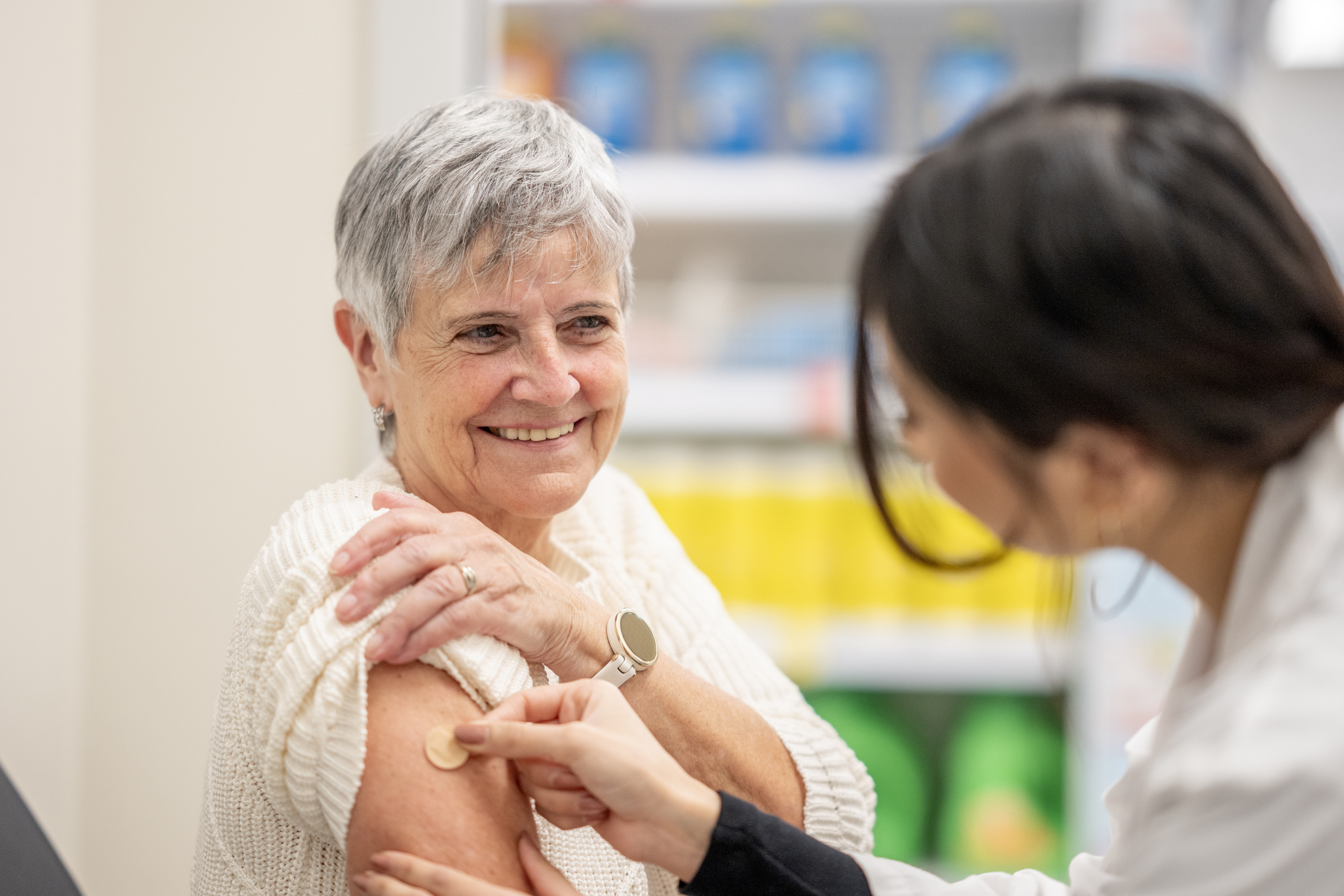
As winter approaches, you may be concerned about improving vaccination rates in your patients—particularly more vulnerable populations, such as those with preexisting health conditions. There are several barriers to vaccination for rural or disadvantaged communities, and unfortunately provider distrust and social media also continue to be major contributors to vaccine hesitancy. Still, it’s vitally important for these vulnerable populations to stay up to date on their immunizations, especially now that we are in the throes of flu and COVID season.
Key Takeaways
- Vaccination rates in Arkansas and across the U.S. are trending down.
- Several factors contribute to vaccine hesitancy in vulnerable populations, including social media misinformation and disinformation. Accessibility and affordability can also be issues.
- A recommendation from a trusted healthcare provider is one of the most effective approaches to increase vaccination acceptance. Meeting people where they are and addressing their concerns with empathy and patience is key to building trust.
- Offering vaccinations at specialty clinics can help improve vaccination rates among chronically ill patients, especially those who live in rural areas where healthcare accessibility is limited.
Barriers to Vaccination: Accessibility and Vaccine Hesitancy
Vaccination rates in Arkansas are decreasing, in line with a trend that’s emerged across the country. Since 2020, vaccination exemptions for kindergarteners in Arkansas have increased sharply. This trend is reflected in almost all the data available across all age groups and vaccine types in Arkansas and the entire U.S. Put simply: more people than ever are opting out of vaccinations.
But even before COVID, there were systemic barriers to vaccine access that affected vaccination rates among minority groups, rural communities, and low-income households. According to Gwen White, MD, FAAP, a pediatrician at UAMS, the solution is "widely available, easily accessible, affordable vaccinations across the board, to help keep our communities safe as a whole." These are barriers that need to be addressed at the organizational or systemic level.
The other piece of the puzzle is growing distrust in the healthcare system. "Since COVID," Dr. White explained in a September 2025 episode of AFMC-TV, "we've started seeing a significant distrust in the healthcare system as a whole."
Along with that, people are getting more health information from social media than ever. "Now it's a video or a meme or something on social media—that's where people are getting their information," said Dr. White. "So there's not only misinformation, that unintentional outdated information that's there, but also a lot of disinformation, where organizations and groups are really being intentionally deceptive." Unfortunately, we as healthcare providers and experts are all too aware of the issues with relying on social media influencers for health information—though our patients and their families might not be. Here's more on how to help your patients identify online misinformation.
Improving Vaccination Rates: What's Worked for Arkansas Providers?
How can we address these barriers? Here's what's worked for Arkansas providers, on an individual and organizational level.

Empathy: Building Trust in the Provider-Patient Relationship
Although trust in the healthcare system is waning, there is some good news: patients tend to view the broader healthcare system as something separate from the providers and medical staff who care for them, whom they form relationships with. According to the United States of Care's 2025 report on trust in healthcare, " Personal relationships appear to be a main driver of trust in healthcare." A strong recommendation from a provider is one of the best ways to increase vaccine acceptance, too.
This was Dr. White's experience when speaking with vaccine-hesitant parents, as well. "Empathy is what's gonna build those bridges out to evidence," she explained. "Trust is built over time. As healthcare providers, it's important for us to, number one, not get frustrated. Meet people where they are. Ask them questions." In the interview, she urged more healthcare providers to get active on social media. That's where many people get their health information, so the experts need to be on those platforms to deliver trustworthy, consistent messaging about vaccines and other hot-button health issues.
The good news? "When parents and when families are vaccine hesitant, honestly most of them at some point end up still vaccinating," Dr. White said. "They're just scared and overwhelmed." Kindly and patiently addressing these concerns is key to fostering trust and building relationships with patients and clients.
Accessibility: Improving Access to Vaccines for Chronically Ill and Rural Arkansans
In an April 2026 episode of AFMC-TV, Sam Makhoul, MD, FASCO, medical director of clinical research at CARTI Cancer Center, shared how CARTI has increased vaccination rates in Arkansas cancer patients.
CARTI was awarded a grant to build out a vaccination program, allowing their patients to receive immunizations at their cancer center appointments.
Why Offer Vaccinations at the Cancer Center?
Dr. Makhoul said that many of his patients are "frequent flyers." They're coming to the cancer clinic regularly, to the point that it could pose a challenge for them to get to a primary care provider for vaccines. He explained that their patients who live in rural areas in South Arkansas also need the convenience because there may not be many other options nearby.
"If you don't die of an infection," Dr. Makhoul told AFMC-TV, "we have an opportunity to cure your cancer." He says the return on investment is clear: vaccinations are an inexpensive way to save lives, especially when compared to the cost of radiation and chemotherapy. He added, "We are abandoning our role to look at the whole person when we don't want to give the patients something that can save their lives."
How the Vaccination Program was Implemented
This was an interdisciplinary effort that required coordination and teamwork from IT, pharmacists, nurses, doctors, and the entire staff. "The contribution of everybody was unbelievably important," said Dr. Makhoul.
First, IT updated the EMR so that providers could capture data about vaccination in the medical record. Dr. Makhoul explained that the responsible teams took the lead for their respective issues. For example, pharmacists took the lead on procuring vaccines and nurses took the lead on administration.
Education was also essential for patients and staff, so everyone was on the same page regarding the importance of vaccinations.
First-Year Results
The CARTI vaccination program was a resounding success.
Dr. Makhoul shared that, for the COVID vaccine, uptake at CARTI was 42 percent—double the nationwide average of 21 percent. Likewise, flu and pneumococcal vaccinations at CARTI beat the nationwide averages, too.
Looking forward, Dr. Makhoul explained that he hopes to expand the vaccination program to include the family members of CARTI patients. "You need to protect the entire support system that surrounds the patient, and this is the only way to ensure that the virus doesn't even come close to them."
