

Adversity is a part of life. Difficult experiences can affect our health and well-being, especially when they happen during childhood. But those experiences do not have to define a person’s future.
Positive relationships, a sense of belonging, and supportive people can help children and adults build the skills they need to navigate difficult times. These positive and compensatory experiences can serve as protective factors, helping people build resilience and move forward after adversity.
“Good overcomes the bad,” says Dr. Chad Rodgers, pediatrician and chief medical officer at the Arkansas Foundation for Medical Care (AFMC). “Certainly, bad things happen in life. But when we have supportive and safe resources in place, we can overcome the effects of hardship.”
The ability to move from adversity toward strength is at the heart of AFMC’s 10th annual ACEs & Resilience Summit. This year’s theme is From Stigma to Strength: Healing Communities Through ACEs, PCEs, & Resilience.
Positive and Compensatory Experiences Help Build Resilience
Many people are familiar with adverse childhood experiences, or ACEs. ACEs are potentially traumatic experiences that happen during childhood and can have lasting effects on health and well-being. Much research has examined ACEs and their long-term impacts, but more recent studies have focused on ways to mitigate their effects through resilience and positivity.
Positive childhood experiences, or PCEs, can help children feel safe, supported, and connected. According to Dr. Rodgers, these experiences can include a sense of belonging and safety, particularly through relationships with supportive adults.

“Positive childhood experiences are not the absence of ACEs but include a host of positive relational factors that help outweigh the bad,” Dr. Rodgers says. “The more PCEs a child has experienced, the more likely they are to thrive and flourish, even in the face of adversity.”
Positive relationships and experiences can give children resources to draw on when life becomes difficult. Instead of replacing ACEs altogether, PCEs help us accept the good with the bad as a natural part of life.
Resilience Helps Prepare for Life’s Hardships
Resilience is sometimes treated as another word for toughness—the ability to endure something difficult and keep going. But Dr. Rodgers sees it differently.
“Resilience is about adaptability and flexibility,” he says. “When stress comes, you have the resources and abilities to respond to stress in a safe and productive way.”
Resilience is something that builds over time. Children need to keep learning ways to overcome different kinds of stressors as they grow older.

“If you don't have the skills needed to respond to life's stressors, you have to find ways to survive,” Dr. Rodgers says. “We need the adults in our lives to help us build those skills, so we have the ability to respond in a healthy way and teach others how to respond, too.”
Building resilience involves putting the pieces together—strong relationships, resources, and skills—to prepare for adversity when it occurs. Kind of like building up a levee to prepare for rising waters.
Caring Adults Can Help Cultivate Positivity
Parents and caregivers can help create positive experiences by making home a place where children feel comfortable communicating openly.
“Allow your child to speak and talk about the thoughts on their mind,” Dr. Rodgers says. “Be supportive and create a sense of safety. Don't be afraid of certain topics, especially with your teens.”
Parents aren’t the only people who can make a difference.
“We all have a role in creating PCEs,” Dr. Rodgers explains. “Many children don't feel safe at home or may not feel like they belong.”
Another trusted adult can be an important source of connection. Teachers, healthcare providers, coaches, faith leaders, neighbors, and extended family members can all play a positive role in a child’s life. Dr. Rodgers has seen the influence these relationships can have both through his work as a pediatrician and through conversations about ACEs and PCEs.
“I can't tell you how many times people identify a teacher in their life who made all the difference,” he says. “Many of them can pinpoint a pivotal moment when that teacher steered them in the right direction.”

Other times, that person is already part of the child's family.
“In practice, I often see a grandparent or an aunt or uncle rise to the occasion to be that caring adult,” Dr. Rodgers adds. “Many times, the parents are still present, but it is a nurturing adult relative who makes all the difference and remains a constant presence in the child's life.”
Simply being present, listening, creating a sense of safety, and reminding a child that they belong can become a positive experience they carry with them.
Breaking Down Stigma Is a Key Part of Overcoming Trauma
Building resilient individuals and communities also means making it easier for people to acknowledge when they are struggling and seek support.
“We often think we are alone in our suffering, but the reality is that you are never alone,” Dr. Rodgers says. “You are not the only person to have diabetes. You are not the only one with depression. You are not the only one with an alcohol problem. You are not the only one who experienced a traumatic, life-changing experience in childhood.”
Stigma and shame surrounding these experiences can prevent people from talking about them or seeking help.
“That doesn't have to be the case,” Dr. Rodgers says. “We all hit hard times, and we are all doing the best we can. But by asking for help and getting treatment, finding our community, and finding our strengths, our health and our lives can be better.”
Reducing stigma requires challenging some of the beliefs we hold about mental health, addiction, and adversity. It also requires creating communities where people feel comfortable sharing their experiences and supporting one another.
“We need to tell our stories and find out where we all relate in order to support each other in becoming healthy people,” Dr. Rodgers says.

A Sense of Community Can Help People Flourish
Positive experiences and strong relationships with our communities can continue to provide connection, belonging, and support throughout our lives, not just in our childhood. Each of us has an opportunity to help create those experiences for someone else.
This year's ACEs & Resilience Summit will bring together professionals, community leaders, and others interested in understanding adversity and creating stronger, more resilient communities. Dr. Rodgers hopes attendees leave ready to put what they learn into action.
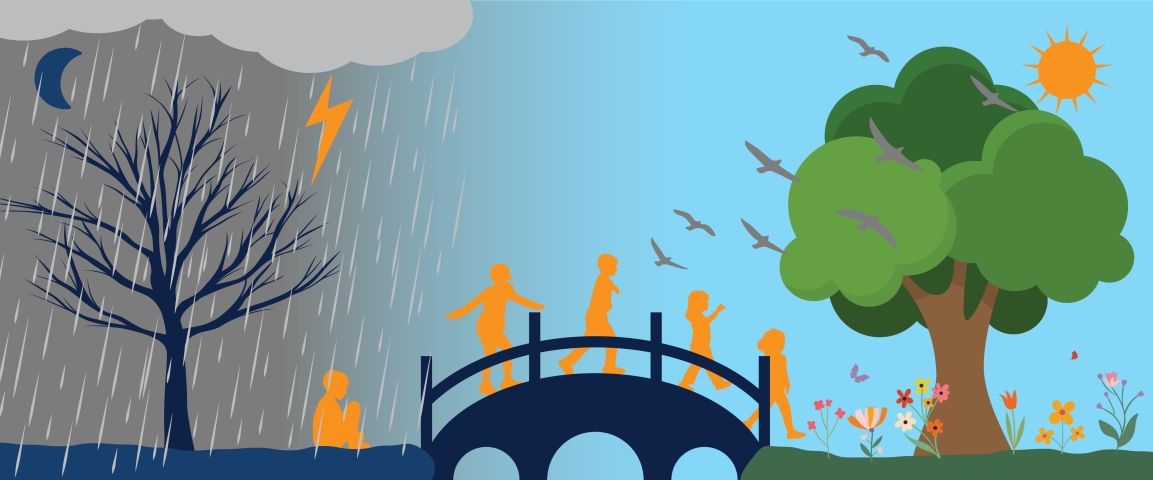
“I hope attendees feel inspired to go home and work in their communities to increase the number of positive experiences we all need to flourish in our hometowns,” he said.
And while people experiencing adversity may struggle to believe that others understand what they're going through, Dr. Rodgers wants them to remember the importance of connection.
“There are a lot of caring people out there, many who have gone through hard times themselves,” he says. “It's all about connectedness and healthy relationships. No one is ever really alone. And we all have a role in helping others.”
