
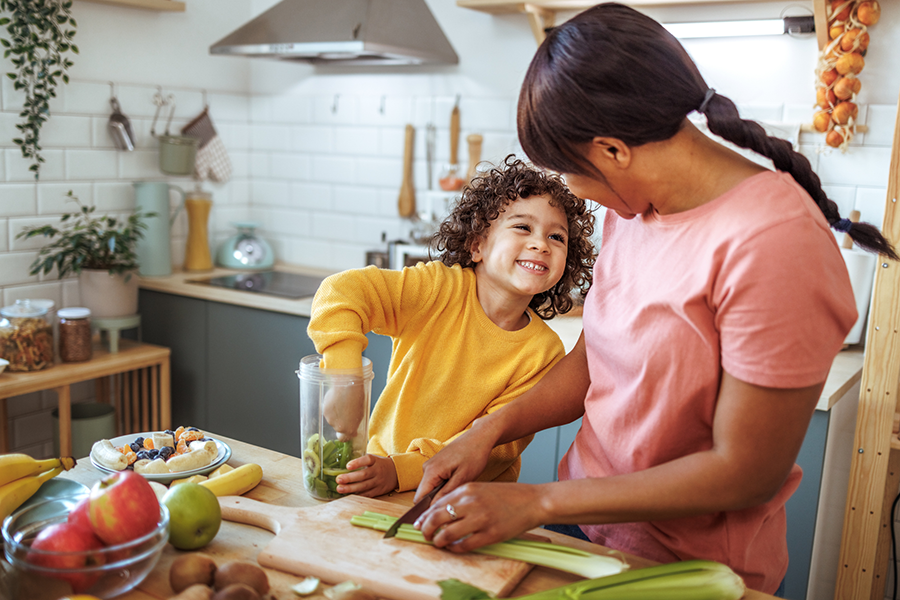
Getting kids to eat their fruits and vegetables can sometimes feel easier said than done. Between busy schedules, picky eating, the convenience of processed foods, and the cost and availability of fresh foods, families can face plenty of obstacles to putting more produce on the plate.
And many children aren't getting enough. Dieticians identify modern youth nutrition as “overfed and undernourished.”
Recent research published in BMJ Global Health examined fruit and vegetable intake among children and adolescents and found substantial gaps in consumption worldwide. Fruits and vegetables provide nutrients and fiber that support children's growth, development, and immune system.
The good news for parents? Improving your child's diet doesn't have to mean completely changing what your family eats.
Holly Van Dyke, MS, RDN, LD, CDES, a registered dietitian at HVD Nutrition Consultants, says families can start with small, practical changes—from letting children choose a new food at the grocery store to blending vegetables into foods they already enjoy.
How Much Do Kids Need?
The amount of fruits and vegetables a child needs varies depending on age, sex, and physical activity level. Rather than focusing on creating a “perfect” diet, parents can look for opportunities throughout the day to offer a variety of fruits and vegetables.
As a general guide, Holly recommends following the U.S. Department of Health and Human Services’ Recommended Daily Allowances of food, which are approximately:
- Ages 2–3: 1 cup of fruit and 1 cup of vegetables per day
- Ages 4–8: About 1½ cups of fruit and 1½–2½ cups of vegetables
- Ages 9–13: About 1½ cups of fruit and 2½–3 cups of vegetables
- Ages 14–18: About 1½–2 cups of fruit and 2½–3½ cups of vegetables
“I realize RDAs can be daunting in terms of amounts per day,” Holly adds. “Just start by being aware of the recommended amounts and by adding one choice, which may eventually lead to two choices, and so on.”
Some days, children may get the recommended daily amounts they need. Some days, they may not. And that’s okay!
Instead of trying to tackle everything at once, look for simple opportunities to add produce to foods and snacks your child already enjoys.
Start with Snacks They Already Know
A healthy snack doesn't have to be elaborate or take half an hour to prepare.
Holly recommends simple combinations such as sliced apples with caramel drizzle, a fruit parfait, apples or bananas spread with peanut butter or yogurt, carrots with hummus, or a fruit-and-vegetable smoothie. She also recommends using an apple or strawberry slicer, as some children may think it is neat to see a parent slice an apple or strawberry.
The key may be to start with foods your child already likes and build from there.
For smoothies, Holly's advice is refreshingly simple: “Anything they like! An all-time favorite from my cooking classes is to blend together:
- ½ cup of berries
- ½ banana
- ¼ cup of spinach
- 1 Tbsp of ground flaxseed
- ½ cup – 1 cup of lite vanilla yogurt
- ½ cup – 1 cup of low-fat or skim milk
- 1-2 Tbsp of peanut butter‘’
Try combining berries or bananas with yogurt or milk. Depending on your child's preferences, you can also experiment with ingredients such as ground flaxseed, peanut butter, or spinach.
Giving children choices can help, too. Instead of deciding what they should like, treat trying new foods as an experiment to discover what they actually enjoy.
Don't Be Afraid of Frozen or Canned Produce
Fresh isn't the only option.
When asked whether frozen or canned fruits and vegetables can be healthy choices, Holly's response was straightforward: “Any version is healthy.”
That can be particularly helpful for families working within a grocery budget. Frozen and canned produce can last longer than fresh produce, making it easier to keep fruits and vegetables available for meals and snacks.
When buying canned or packaged products, parents can compare Nutrition Facts labels and ingredients to find options that fit their family's needs.
Most importantly, don't let the idea that produce has to be fresh keep your family from eating it at all.
Get Creative With Foods Your Child Already Eats
Sometimes the easiest way to introduce a vegetable isn't serving a big pile of it on the side of the plate.
Holly suggests pureeing fruits and vegetables and incorporating them into familiar recipes. Pureed vegetables can be added to soups or used to thicken dips. Cauliflower can be incorporated into macaroni and cheese, sweet potatoes into pancake batter, and greens into other recipes.
There are entire cookbooks dedicated to these approaches, including Deceptively Delicious and The Sneaky Chef.
But “hiding” vegetables doesn't have to be the only strategy. Children also benefit from becoming familiar with what fruits and vegetables look, smell, feel, and taste like.
That's where repeated exposure can help.
Your Child Doesn't Like It? Try Again Later
A child refusing a new food once doesn't necessarily mean that food needs to disappear from the menu forever.
Holly recommends offering unfamiliar foods multiple times without pressuring children to eat them. After repeated exposure—sometimes eight to 10 times—a food that once seemed completely unfamiliar may start to become more recognizable and approachable.
“Involve them in the process!” Holly recommends. “Let them pick out some things to try to make together.”
That could mean letting your child choose a new fruit at the grocery store, wash vegetables before dinner, add ingredients to a smoothie, assemble a fruit parfait, or help decide what the family tries next.
The objective isn't necessarily getting them to clean their plate. It's giving them opportunities to become comfortable with different foods.
Take the Pressure Off the Plate
One of Holly's biggest recommendations for families is also one of the simplest: Don't pressure children to eat.
“If the child is involved in the process and making choices in the realm of healthy foods, its less likely to be a negative experience,” she says.
That division can help parents provide nutritious choices without turning every meal into a negotiation.
If your child isn't interested in carrots today, that's okay. Continue offering different choices and giving them opportunities to explore. It may be that they prefer a roasted veggie over a steamed veggie. Or a raw veggie with dip. Or veggies with cheese sauce.
And don't underestimate the power of making food fun.
“Make it fun!” Holly says. “Make it a game, or make it visually appealing.”
For example, families could arrange fruit into colorful shapes, make faces with different vegetables, create a build-your-own parfait station, or add a small amount of whipped topping and sprinkles to cut fruit.
Healthy eating doesn't have to look perfect. It just has to be something your family can realistically keep doing.
Small Changes Can Build Healthy Habits
Parents don't have to transform their child's diet overnight.
Start by adding sliced fruit to a snack. Toss spinach into a favorite smoothie. Let your child choose a vegetable at the store—even if you're almost certain they won't eat it the first time. Keep offering different foods without making eating them a requirement.
Most importantly, give children opportunities to participate.
When kids can choose, prepare, explore, and become familiar with different foods, fruits, and vegetables, they can become less of something they're supposed to eat and more of a normal part of everyday meals.
And sometimes, helping children build healthier habits starts with something as simple as asking:
“What should we try today?”
