
November is National Diabetes Month, and the holiday season is officially in full swing! If you’re anything like me, then Halloween all the way to New Year’s Day can feel like one long, continuous holiday—full of parties, family gatherings, and food. I’m a registered dietitian nutritionist (RDN) who loves the holidays (and all the holiday food), and today I’m sharing a few tips to help people with diabetes thrive through this season without depriving themselves of their favorite foods.
Key Takeaways
- People with diabetes can enjoy their favorite holiday foods by following a simple fiber-protein-carbohydrate eating pattern, which can help prevent excessive blood glucose spikes.
- Ten minutes of exercise after each meal is a great way to help regulate blood sugar levels.
- Food safety is essential, since people with diabetes are more susceptible to infections, including salmonella and listeria.
Food and Holiday Traditions
“The table is a meeting place, a gathering ground, the source of sustenance and nourishment, festivity, safety, and satisfaction. A person cooking is a person giving. Even the simplest food is a gift.”
This quote from Laurie Colwin, an award-winning cookbook author, illustrates perfectly why food is so entwined with holiday traditions. Food is culture. It brings people together, and it’s one major way we can share traditions and create new memories with the people we care about.
Food and the holiday season will always be inseparable, although this can represent a challenge for people with diabetes or prediabetes. The holiday season usually comes with a huge break from routine, and unfortunately these disruptions to daily routines often lead to negative changes in activity, food choice, and sleep.
Fortunately, there are some simple strategies your patients, clients, and loved ones with diabetes can use to navigate holiday parties, seasonal travel, and the endless array of treats to maintain healthy blood sugar levels and stay well, while still experiencing all the best the holidays have to offer.
Navigating Holiday Meals
Halloween, Thanksgiving, Christmas, Hanukkah, New Year’s Day… that’s a lot of holidays. Throw in a few extra parties here and there, and—in my family’s case—several winter birthdays, and that means for nearly three straight months there’s almost always a reason to celebrate with decadent food.
Abstaining altogether isn’t realistic. Here’s what works, according to diabetes care providers and academic research.
Food Order
The order in which food is eaten can have a drastic impact on blood glucose levels. Following this order when eating is an easy way to reduce spikes without drastically changing what you eat:
- Fiber: Fiber is an indigestible portion of plant foods. Since we are unable to digest it, it slows down the entire digestive process. This provides several benefits for people with diabetes: it reduces the body’s blood sugar response, it keeps you fuller for longer, and it binds with cholesterol in your food to prevent you from absorbing it.
- Protein: Protein is found in animal and plant sources, in foods like meat, dairy products, eggs, beans, nuts, seeds, and soy products like tofu. Protein provides the materials our bodies need to create healthy new tissues, but protein also plays a role in regulating hunger hormones, reducing blood glucose spikes, and promoting satiety.
- Carbohydrate: Carbohydrates like sweets, fruit juices, sodas, bread, pasta, rice, and potatoes can make your blood glucose rise quickly, especially when eaten alone. One of my dietitian colleagues advises her clients with diabetes to avoid “naked carbs”—they should always be dressed with fiber and protein.
Research suggests that eating protein first yields similar results. The key is to consume carbohydrates that drive blood glucose spikes after all other components of the meal. For people with diabetes, this is an easy way to improve glycemic control without completely overhauling their diet. The protein and fiber have a blunting effect, keeping blood glucose levels from rising as quickly as they would if carbohydrates were eaten first or alone.
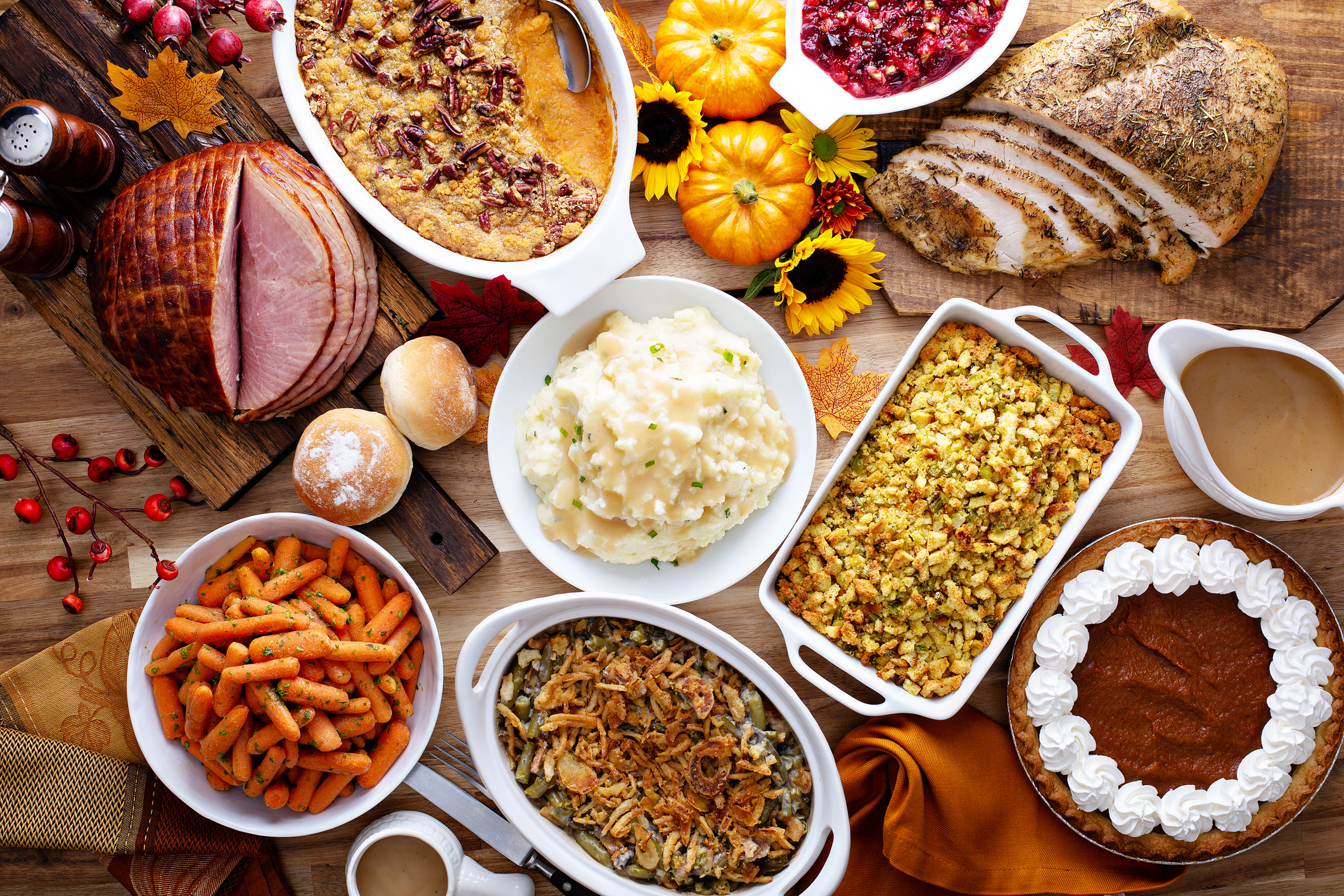
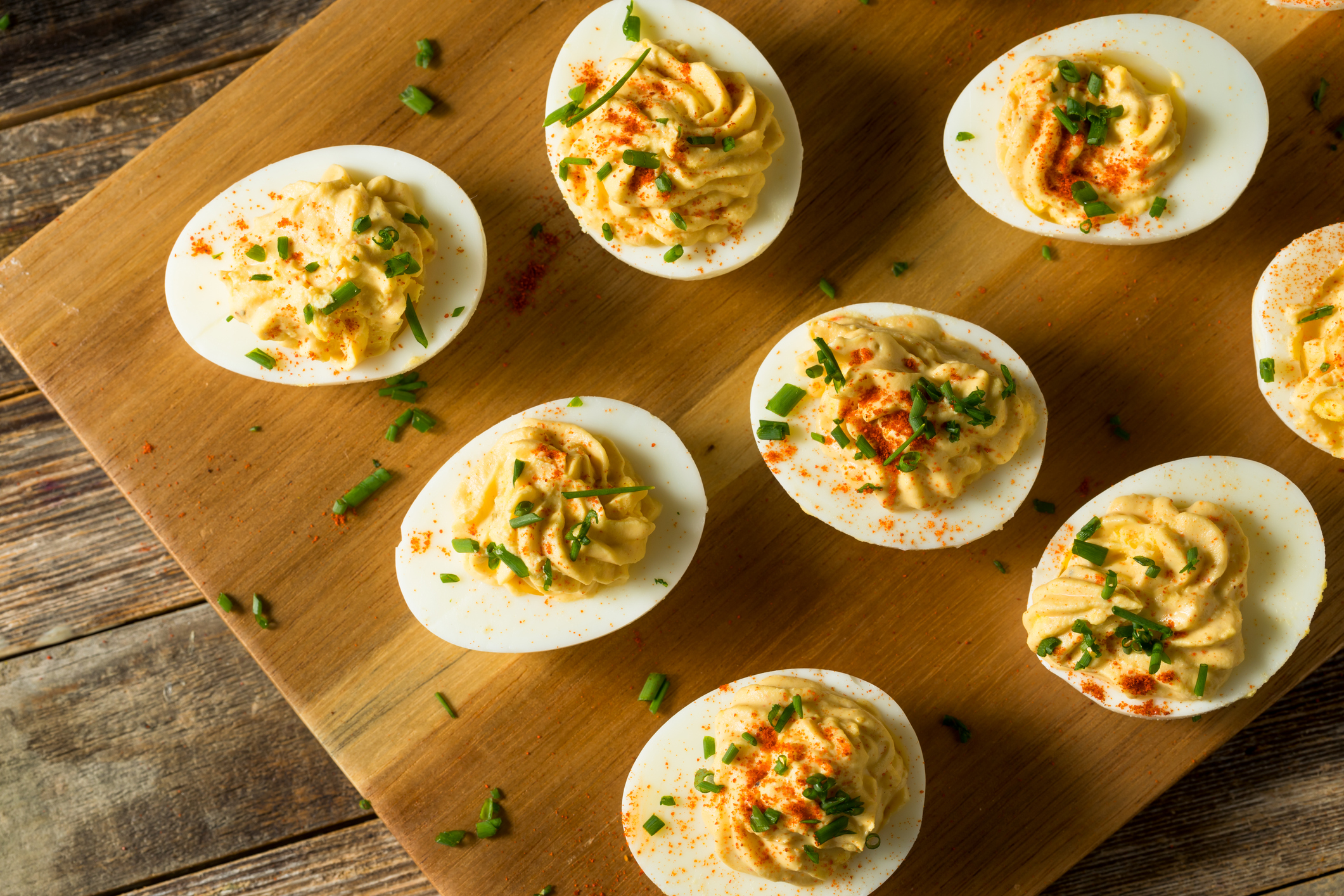
On Thanksgiving, this can look like starting with green beans, brussels sprouts, or roasted carrots, followed by turkey and deviled eggs, and then finally dressing and a slice of pie.
For a traditional Southern New Year’s Day meal, it may mean eating your greens and black-eyed peas first, following it up with a pork chop or a lean piece of ham, and saving the cornbread for last.
At a party where there will be no good fiber or protein options (for example, a Christmas cookie swap), there are a few options:
- Eat a balanced meal before they leave
- Have a protein shake on the way over (even better if it contains fiber, too—there are now several protein powders and ready-to-drink protein shakes that contain fiber)
- Volunteer to bring a dish with fiber and protein
Need some inspiration? Here are some links to recipes for my favorite fiber and protein-rich holiday sides and appetizers.
Fiber Forward Holiday Sides
- Roasted brussels sprouts
- Green beans almondine
- Greek chickpea salad
- A veggie tray with your favorite dips
Protein Rich Holiday Appetizers
Pre- or Post-Meal Exercise
Carbohydrates break down into glucose to provide energy, which is a problem when it has nowhere to go—so give that glucose a job to do! Even a brief 10-minute walk after a meal can help reduce blood sugar spikes.
In a small 2016 randomized controlled trial, researchers noted that short 10-minute walks after each meal were better for postprandial blood glucose levels in people with diabetes than one 30-minute walking session per day. This blunting effect was especially noticeable for the evening meal, which was typically the largest and highest in carbs.
For people with limited exercise options, marching in place (standing or sitting), seated heel raises, or seated upper body exercises may be good alternatives to walking.
Food Safety is Critical
Another important consideration for holiday eating is food safety! People with diabetes can be more susceptible to foodborne illnesses like salmonella and listeria. Here are some key food safety tips to be aware of:
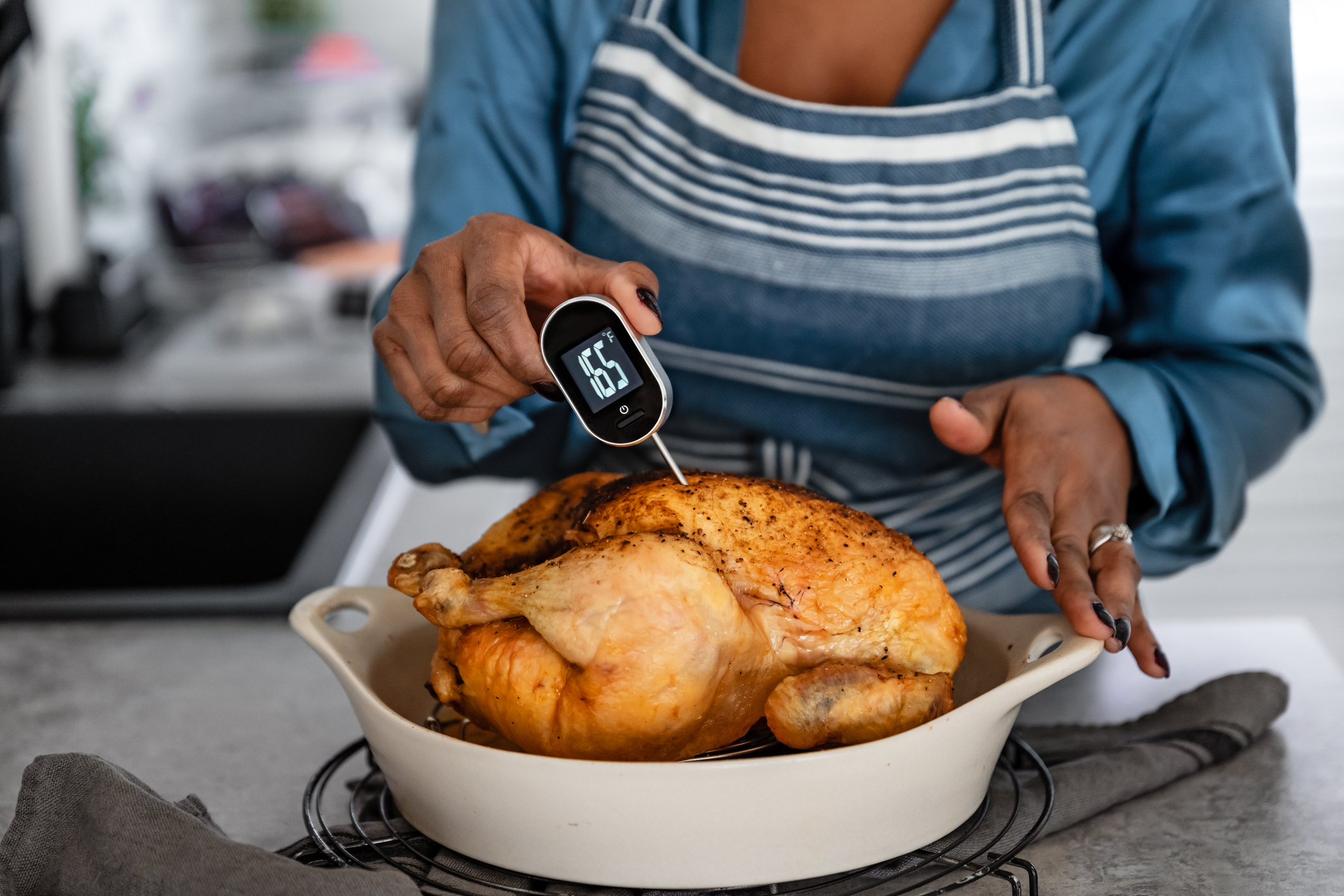
- Temp the turkey (and all other meats): Poultry should reach an internal temperature of 165 degrees Fahrenheit. To minimize your risk of foodborne illness, verify that all meats are cooked to a safe internal temperature.
- Avoid cross-contamination: Make sure to wash your hands often. Use separate cutting boards and knives for meat and vegetables. Be sure to clean any surfaces that are exposed to raw meat well before preparing or serving other foods on them.
- Avoid the temperature danger zone: The “danger zone” is any temperature between 40 and 140°F. This range supports the rapid growth of disease-causing pathogens. It’s important to keep cold food cold, and hot food hot. Practically, this involves using warmers, coolers, and insulated serving dishes. If you don't have access to any of this, be mindful to put food away within two hours, but preferably as quickly as possible.
Resources for Healthy Holiday Eating with Diabetes
- 7 Tips to Stay on Track with Your Diabetes Management During the Holidays (American Diabetes Association)
- Food Safety Tips for the Holidays (FoodSafety.gov)
